
25 Timeless Habits of Black Baby Boomers That Continue to Enrich Lives
CarlG
6/18/20267 min read
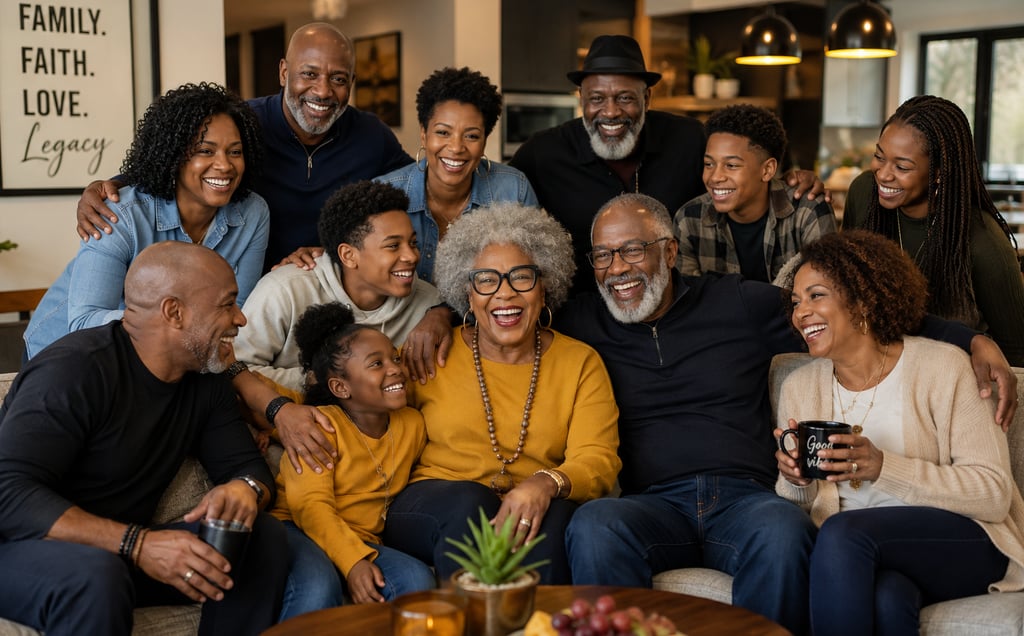
Big Mama Was Right: 25 Black Baby Boomer Habits We Need to Bring Back
The old-school habits that protected our peace, stretched our money, strengthened our families, and helped us survive.
By CarlG | The Black Baby Boomer
There comes a time in life when you realize the elders were not nearly as old-fashioned as you thought they were.
They were experienced.
Big Mama knew how to feed unexpected company, stretch one meal into two, keep the family connected, and recognize trouble before it reached the front porch.
Granddaddy could repair something three times before anybody considered replacing it. And when he told you to turn off the lights, he was not trying to ruin your childhood. He was trying to keep the electric bill from getting disrespectful.
Back then, we may have laughed at some of their habits. Now, many of us have lived long enough to understand the wisdom behind them.
These habits were not just quirks of an older generation. They came from faith, discipline, limited resources, strong communities, and the determination to make something meaningful out of whatever life provided.
Some folks call them “old-person habits.”
I call them survival skills.
The older we get, the more we realize our elders were not simply stuck in their ways. They were showing us how to live.
1. Call People Instead of Only Texting Them
Text messages are convenient, but they cannot always carry emotion.
Sometimes you need to hear a person’s voice. You need to hear the laughter, the hesitation, the exhaustion, or the joy behind the words.
A simple phone call can reveal what “I’m fine” is trying to hide.
2. Keep a Little Emergency Cash
Our elders knew every emergency does not accept a debit card.
Banks have outages. Phones die. Payment systems go down. Sometimes a few dollars tucked safely away can save the day when technology decides to take the afternoon off.
3. Cook Enough for Unexpected Company
In many Black households, visitors were asked, “Have you eaten?” before they were asked why they came over.
Hospitality was not a performance. It was part of the culture.
A pot of greens, some cornbread, a little extra chicken, or a cake on the counter meant there was usually enough to make room for one more plate.
4. Wash Dishes While the Food Is Cooking
Nothing spoils the joy of a good meal like turning around afterward and finding the kitchen looking like a small tornado has applied for permanent residency.
Cleaning as you cook makes the evening easier and the kitchen more peaceful.
Big Mama understood that too.
5. Write Down Important Phone Numbers
Phones get lost. Batteries die. Passwords disappear into the same mysterious place as missing socks.
Keep a written list of important contacts, medications, doctors, relatives, and emergency numbers.
Technology is useful, but a notebook never needs charging.
6. Sit Outside and Watch the Neighborhood
Porch sitting was not laziness.
It was community awareness.
People knew who belonged, who needed help, which child was somewhere doing what they had no business doing, and when something did not look right.
The porch was neighborhood watch before neighborhood watch needed a committee.
7. Bring Back Sunday Dinner
Sunday dinner was about more than food.
It gave families a regular place to reconnect, laugh, disagree, forgive, share news, and remember that they belonged to one another.
Today, everybody is busy. Everybody is working. Everybody has somewhere to be.
But families do not stay close by accident.
Sunday dinner was never just about what was on the table. It was about who gathered around it.
8. Repair Before Replacing
Shoes were resoled. Clothes were patched. Appliances were repaired. Furniture was refinished.
Our elders did not throw away something useful just because it needed attention.
Today, we sometimes discard good things too quickly—and that includes relationships.
Not everything should be saved, but not everything should be abandoned at the first sign of trouble either.
9. Carry a Small Emergency Kit
A prepared elder might have tissues, peppermints, aspirin, lotion, safety pins, bandages, nail clippers, hand sanitizer, and enough other supplies to handle everything except open-heart surgery.
Preparation reduces stress.
Keep a small kit in your purse, backpack, vehicle, or travel bag.
10. Get Dressed Before Leaving the House
Our elders believed in presenting themselves with dignity.
You did not have to be wealthy to be clean, neat, and put together.
Nobody is saying you need to wear a three-piece suit to buy bread, but there is something to be said for carrying yourself like you respect the person in the mirror.
11. Speak When You Enter a Room
“Good morning.”
“How are you doing?”
“Good to see you.”
These simple greetings were signs of respect.
Walking into a room without acknowledging anyone could get you corrected before you found a seat.
Somewhere along the way, basic courtesy became optional. It should not have.
12. Grow Something
Whether it was tomatoes, collard greens, peppers, flowers, or herbs, our elders understood the value of working with the soil.
Growing something teaches patience, responsibility, and appreciation.
There is also peace in watching life come from something you planted with your own hands.
13. Keep Something in the Freezer
A prepared freezer can help during bad weather, tight finances, unexpected company, illness, or days when your energy has packed a suitcase and left town.
Keep a few ready-made meals, leftovers, vegetables, or simple ingredients available.
Planning ahead is not fear. It is wisdom.
14. Reuse What Still Has Value
Before recycling became fashionable, Black families were already reusing everything.
Grocery bags became trash liners. Jars became storage containers. Old shirts became cleaning rags.
And every Black child knew that a butter container in the refrigerator could contain anything except butter.
That container might hold greens, gravy, leftover beans, or a surprise nobody was emotionally prepared for.
15. Go to Bed When You Are Tired
There is no award for staying awake until midnight watching strangers argue on television.
Rest is not laziness.
Rest is maintenance.
Sleep supports your mood, memory, energy, and ability to handle the next day without wanting to argue with the toaster.
16. Wear Comfortable Shoes
At a certain age, fashion must negotiate with your feet.
Good-looking shoes are fine, but if they make you walk like you are crossing hot pavement barefoot, leave them at the store.
Support your knees, ankles, back, and balance.
Comfort is not giving up. Comfort is growing wiser.
17. Stretch and Keep Moving
Our bodies need movement.
Walking, dancing, gardening, light strength training, chair exercises, and gentle stretching can help preserve mobility and independence.
Movement does not have to be extreme to be valuable.
Sometimes ten consistent minutes will do more good than an ambitious routine you never repeat.
18. Keep Certain Family Business Private
Our elders did not believe every disagreement needed an audience.
Today, people sometimes post family trouble online before they have finished being angry.
Some matters need a private conversation. Some need prayer. Some need counseling. Some need time.
Not every family issue belongs on social media.
Privacy should never be used to hide abuse or protect wrongdoing. But healthy boundaries still matter.
Everything does not need to be posted, explained, defended, or performed for strangers.
19. Send Handwritten Cards
A handwritten message says, “I stopped what I was doing and thought about you.”
Thank-you cards, sympathy cards, birthday cards, and simple notes of encouragement carry a personal touch that a quick emoji cannot replace.
A few sincere sentences can become something a person keeps for years.
20. Check on Elders and Neighbors
Community once meant noticing when someone had not opened their curtains, collected their mail, answered the phone, or been seen in a few days.
We looked out for one another.
That kind of care is still needed, especially for seniors, people living alone, individuals with disabilities, and families under stress.
A phone call or knock at the door may mean more than you realize.
21. Replace Essentials Before They Run Out
Our elders did not wait until the last roll of toilet paper was hanging on for dear life.
They kept a little extra soap, canned food, batteries, medicine, cleaning supplies, and household necessities.
That was not hoarding. It was preparation.
There is a peaceful feeling that comes from knowing the basics are already handled.
22. Learn to Say No
Black baby boomers learned—sometimes later than we should have—that protecting your peace may require one complete sentence:
No.
No five-page explanation.
No courtroom argument.
No family committee meeting.
No guilt-driven apology.
Your time, energy, health, and resources have value.
23. Listen to Music That Lifts Your Spirit
Gospel, blues, jazz, soul, funk, and old-school R&B helped us celebrate, mourn, clean the house, fall in love, and make it through difficult seasons.
Music reminded us who we were.
Sometimes the right song reaches a place that ordinary words cannot touch.
That is medicine without a prescription.
24. Make the Bed in the Morning
It may seem like a small thing, but beginning the day by putting something in order can affect how you approach everything that follows.
The world may be unpredictable, but at least one part of your day begins with intention.
And when evening comes, a made bed feels like a quiet welcome home.
25. Stay Connected to Faith, Family, and Purpose
Our elders survived circumstances designed to break them because they had something larger than themselves to hold onto.
Faith gave them endurance.
Family gave them belonging.
Purpose gave them a reason to keep moving.
They understood that life was not always fair, but it was still worth living with dignity, courage, humor, and hope.
Not Everything About the Past Was Better
Let us tell the whole truth.
Some traditions needed to change.
Some people remained silent when they should have spoken. Some wounds were hidden instead of healed. Some families confused endurance with accepting mistreatment.
Wisdom requires discernment.
We should carry forward what made us stronger while leaving behind what kept people hurting.
But we should not throw away valuable lessons simply because they came from another generation.
Black baby boomers inherited wisdom from people who survived segregation, discrimination, economic hardship, family separation, and social upheaval.
Their habits were not always glamorous.
But many were practical, protective, resourceful, and deeply rooted in community.
Maybe Big Mama Was Right
The world has changed.
We have smartphones, online banking, food delivery, streaming entertainment, and more information than any previous generation could have imagined.
Yet people still need rest.
We still need discipline.
We still need family.
We still need faith, community, preparation, compassion, and somewhere we feel at home.
Technology may have changed the tools, but it has not changed the human need for connection.
Maybe Big Mama was right after all.
Join the Conversation
What old-school habit did you learn from your parents, grandparents, aunties, uncles, or church elders that still makes your life better today?
Share your answer in the comments.
Your memory may be the wisdom another generation needs to hear.
The Black Baby Boomer
Still Rising. Still Leading. Still Here.Suggested Categories