Examining the Myth of Economic Recession and the Black Baby Boomer Experience
Was it recession—or exclusion? This piece breaks down a common misconception and explores how Black baby boomers navigated an era of economic growth while being denied equal access to opportunity.
CarlG
3/26/20262 min read
Introduction to the Myth
The narrative that Black Americans were born into economic recession is a deeply entrenched belief that oversimplifies a complex reality. This blog post aims to unpack this myth, providing historical context and insights into the systemic barriers that have influenced the experiences of Black baby boomers.
“Black People Were Born Into Recession”… That’s Not Accurate
Recently, someone said to me,
“Black people were born into recession.”
I understood the sentiment—but let’s be clear:
That statement is not accurate.
Let’s Start With the Facts
The Baby Boomer generation, born between 1946 and 1964, entered the world during one of the most significant periods of economic growth in American history.
The nation was expanding.
Jobs were increasing
Homeownership was rising
Wealth was being established across generations
So from a strictly economic standpoint, this was not a recession.
Where the Misunderstanding Comes In
However, facts alone don’t tell the full story.
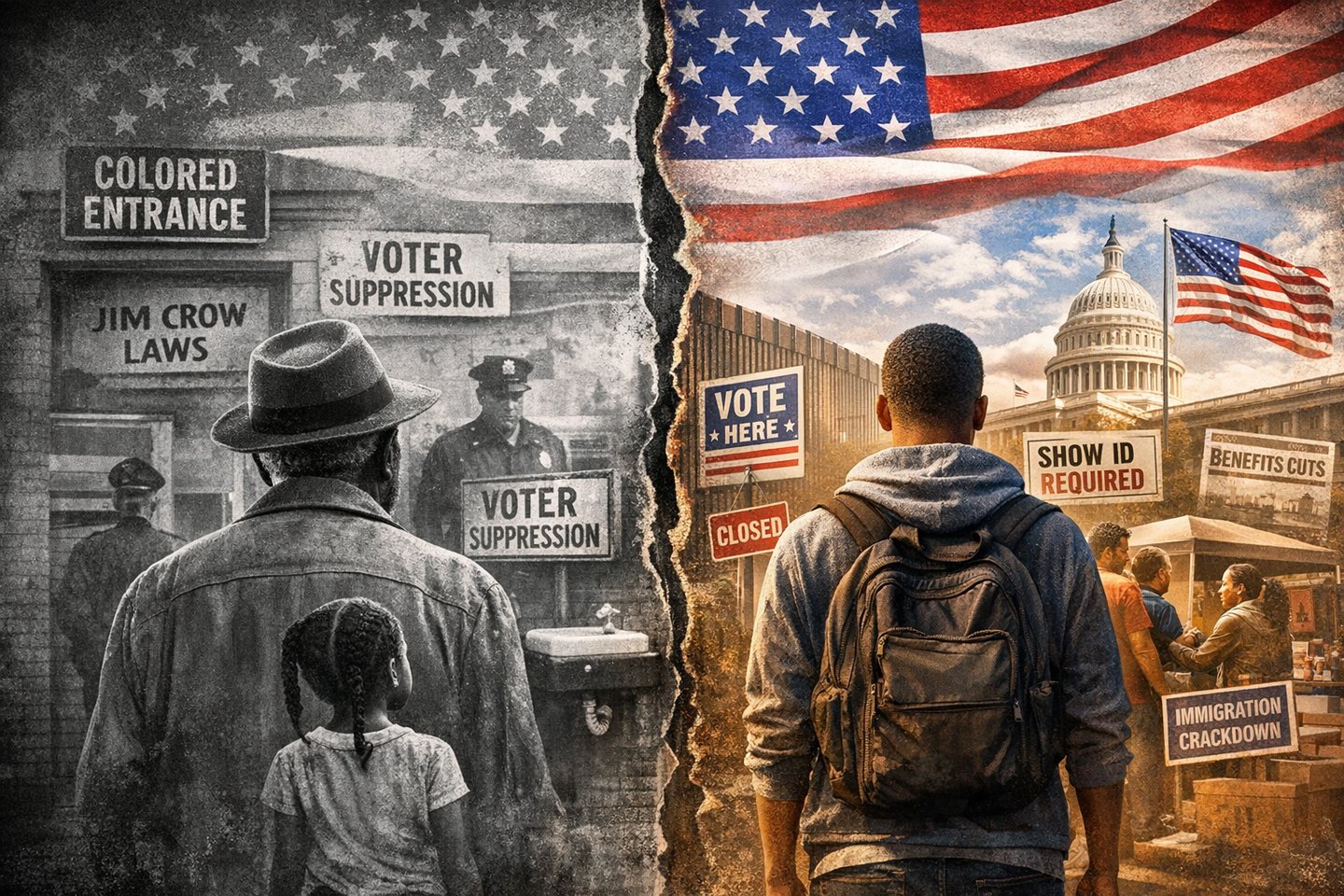
While the country experienced growth, Black Americans were navigating a very different reality:
Legal segregation
Employment discrimination
Redlining and restricted access to homeownership
Unequal educational resources
So although the economy was thriving, access to that prosperity was not equally distributed.
That distinction matters.
Let’s Be Precise With Our Language
Describing that period as a “recession” suggests a universal hardship.
That was not the case.
The challenge was not a failing economy—it was systemic exclusion from opportunity.
One is cyclical.
The other is structural.
A Word About Culture and Food
This misunderstanding often extends into cultural narratives.
Some attempt to explain traditional foods—such as chitterlings, ham hocks, and similar dishes—as a result of economic hardship tied to recession.
That, too, is inaccurate.
These traditions trace back to slavery, where Black Americans were given the least desirable cuts of meat. What followed was not simply survival—it was transformation.
Through skill, creativity, and resilience, those ingredients became part of a rich cultural legacy.
A More Accurate Framing
If we are committed to telling our story with integrity, then we must say it clearly:
Black baby boomers were not born into a recession.
They were born into a system that limited access to the prosperity happening around them.
That is the truth—grounded, honest, and historically sound.